What should SaaS Leaders really expect from a 2D design system?
Most SaaS design systems fix how a brand looks. The ones that drive adoption fix how a product is understood. Here are the six elements that make the difference.

Why SaaS companies should treat it as infrastructure, not decoration
Most SaaS companies realise they need a design system when their brand starts to feel inconsistent. Different decks look different. Ads feel disconnected from product visuals. Explainer videos, onboarding assets, and sales collateral begin to drift apart.
So a system is commissioned. Colours are defined. Typography is standardised. A library of icons appears. And for a while, things look more cohesive.
But many teams discover a quieter problem. The visuals are now consistent, yet the product still takes too long to understand. Evaluation cycles still drag. Stakeholders still ask the same clarifying questions. The system made things neater, but not clearer.
A good 2D design system for SaaS does more than organise aesthetics. It organises understanding. It determines how quickly someone can grasp what your product does, why it matters, and whether it fits into their world. That is why it deserves to be treated as strategic infrastructure rather than a visual afterthought.
A design system is really a comprehension system
In SaaS, clarity is currency. Your buyers are rarely one person. A CFO, an operations lead, a product manager, and a technical evaluator all approach your product from different angles. They do not need the same level of detail, but they all need to reach confidence quickly.
A strong 2D design system helps them do that by structuring how information appears across touchpoints. It ensures that when someone encounters your brand in an ad, a SaaS explainer video, a case study, or a product UI walkthrough, the visual logic feels familiar. That familiarity reduces cognitive load. When cognitive load drops, understanding accelerates.
This is why the best design systems are not built from moodboards alone. They are built from product logic and audience behaviour. They ask: what must be understood first, and how do visuals help that understanding happen faster?
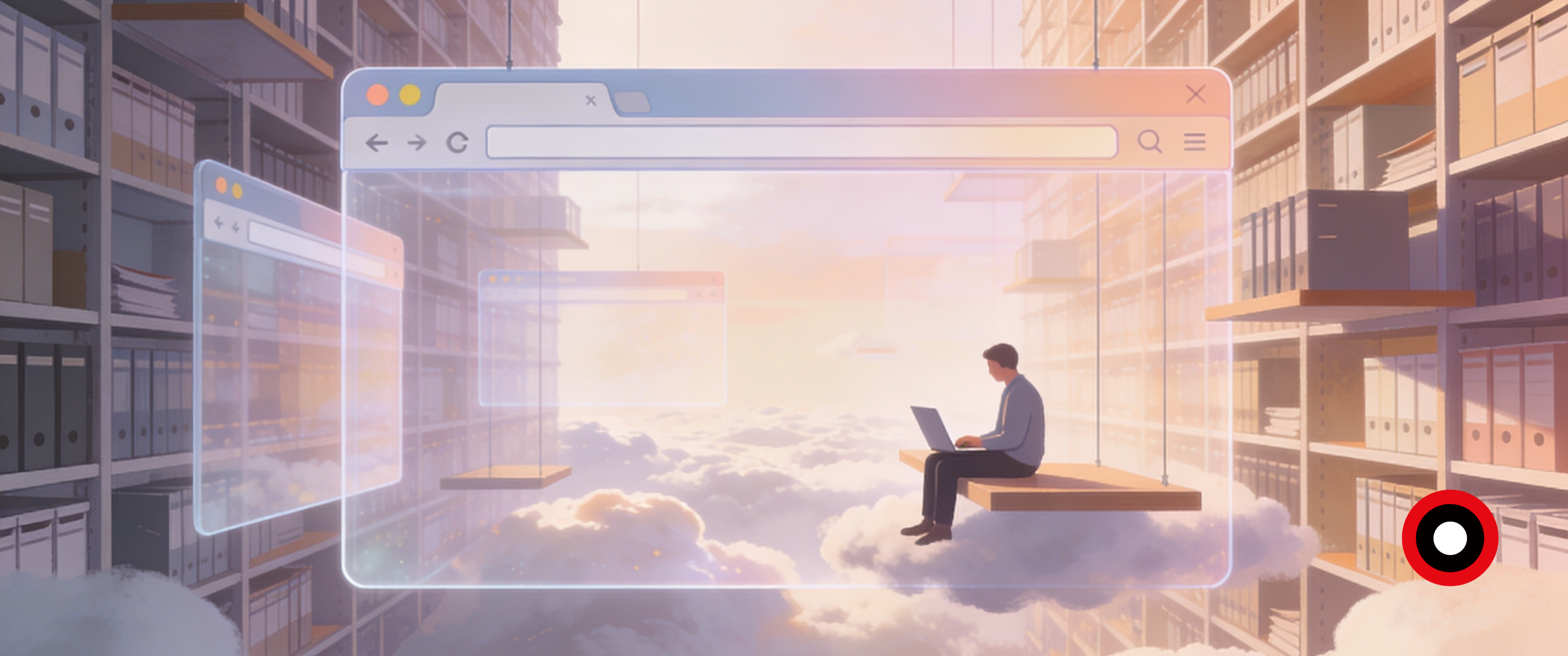
Most evaluation friction starts before a buyer touches the product. It starts the moment they cannot quickly answer: what is this, is it for me, and what should I do first? A well-built explainer video closes that gap in under 90 seconds.
The first element: visual language rooted in product reality
Many systems begin with colour palettes and typefaces. Those are necessary, but they are not foundational. The real foundation is how your product works.
Does it automate tasks? Does it connect tools? Does it visualise data? Does it reduce manual effort? Each of these actions can be represented visually. When your design language reflects actual product behaviour, your visuals start explaining value without needing extra narration.
This is where SaaS video production and UI-based explainer video systems become tightly linked to design systems. The same visual language should translate across SaaS product videos, demo videos, and onboarding videos without losing clarity.
Consider the difference between a generic abstract animation and one that mirrors how data moves through a platform. The latter reduces explanation time. Viewers recognise patterns that resemble their own workflows. They understand outcomes faster.
For SaaS leaders, the key question is not whether a design system looks distinctive. It is whether it makes product value legible at a glance.
The second element: modular components that scale
A design system should not only look coherent. It should make production faster. SaaS teams produce an enormous volume of visual content. Product launches, feature announcements, paid campaigns, onboarding videos, internal training assets, and investor updates all demand visuals.
If each asset requires bespoke design, teams slow down. Costs rise. Inconsistency creeps back in.
A strong 2D design system is modular. It includes reusable illustration styles, UI containers, icon sets, layout structures, and motion behaviours. These components allow teams to assemble new assets quickly while maintaining coherence.
This is where a design system starts functioning like a creative retainer for SaaS teams, enabling ongoing content creation across GTM videos, feature launch videos, and conversion-focused product videos without rebuilding from scratch each time.
The goal is not uniformity for its own sake. It is efficient without confusion. When teams can build quickly from shared components, the system becomes a creative accelerator rather than a constraint.
The third element: motion that explains cause and effect
In modern SaaS storytelling, motion is rarely optional. SaaS demo videos, product walkthrough videos, and customer education videos for SaaS all rely on movement to convey sequences and outcomes. Yet many design systems define only static rules.
Motion is where understanding often happens. It shows what happens first, what changes, and what results. It reveals cause and effect. It can make automation feel tangible or make integration feel seamless.
A strong 2D design system defines motion logic clearly. How do elements enter? How do transitions signal progress? How does pacing reflect complexity? When these patterns are consistent, viewers subconsciously learn how to read your visuals.
This matters because comprehension is cumulative. Each interaction with your brand should feel easier than the last. Consistent motion patterns help build that familiarity.

The difference between a generic animation and one that mirrors how your product actually works is the difference between looking impressive and being understood. Here is how the best SaaS brand videos use motion to build comprehension, not just attention.
The fourth element: flexibility across audiences and contexts
SaaS companies speak to multiple audiences. A design system must hold together across that spectrum. It should work in a high-level brand film and in a technical walkthrough. It should support both B2B explainer videos and deeper product education assets.
Flexibility does not mean dilution. It means designing a system that can reveal different layers of information without losing coherence. The same visual language should simplify for new audiences and deepen for technical ones.
When a system cannot stretch this way, teams begin creating exceptions. Exceptions multiply. Consistency erodes. The system becomes a reference document rather than a working tool.
A resilient design system anticipates this variety. It builds in structures that allow teams to communicate different levels of complexity without breaking visual logic.
The fifth element: hierarchy that guides attention
Clarity depends on hierarchy. When everything is visually equal, nothing stands out. A strong 2D design system defines how attention should move across a frame.
Typography scale, spacing, colour emphasis, and layout all contribute to this. Together they determine what a viewer sees first, second, and third. In SaaS storytelling, this often mirrors a value narrative. Problem. Action. Outcome.
This is especially critical in conversion-focused product videos and SaaS marketing creative, where attention directly impacts understanding and decision-making.
When hierarchy is well defined, complex information feels navigable. When it is not, even strong visuals can feel dense or confusing.
For SaaS leaders evaluating creative approaches, this is an important distinction. A visually impressive system is not necessarily a clear one. Clarity is what shortens evaluation time and supports adoption.
The sixth element: adaptability across channels
Your design system will live everywhere. Website, paid media, social content, product demos, onboarding, events, and sales materials. It must survive these environments without losing coherence.
This requires planning for scale. Can visuals adapt to different formats? Can motion work across lengths and contexts? Can components be reused without looking repetitive?
This is where design systems intersect directly with SaaS content strategy, ongoing content creation, and full-funnel video marketing systems.
When scalability is built in, creative output compounds. Each new asset reinforces recognition and understanding. When it is not, teams start improvising. Improvisation leads back to fragmentation.
A good 2D design system should feel less like a fixed template and more like a flexible language.
The strategic outcome
The ultimate test of a design system is not whether it wins design awards. It is whether it reduces friction. Do prospects understand value faster? Do stakeholders align sooner? Do teams produce assets more efficiently?
When visual logic mirrors product logic, understanding happens earlier. When understanding happens earlier, confidence builds. And when confidence builds, evaluation and adoption both move faster.
For SaaS companies, this is not a cosmetic advantage. It is a commercial one. A strong 2D design system becomes a shared layer between product, marketing, and growth. It ensures that every visual touchpoint reinforces the same story.
In that sense, the best design systems do not just standardise how a brand looks. They standardise how a product is understood.

Most design systems define static rules well and leave motion, modular scene logic, and channel adaptation to chance. If your visual language is not translating consistently into your explainer videos, product demos, and onboarding content, that is the gap we fix.

Nitya Shukla Paharia
Creative Director & Head of Brand
Leading creative & design at TheBullseye, solving for clarity-first storytelling for SaaS and AI companies. Operating at the intersection of narrative, design, and video to translate complex products into high-conversion content across GTM, product marketing, and brand systems. Focused on building design that doesn’t just look good, but drives understanding and decision-making.
FAQs
A 2D design system for SaaS is a structured set of visual rules — covering typography, colour, illustration style, UI representation, and motion logic — that governs how a product is communicated visually across every touchpoint. It matters because:
A design system improves adoption by making value legible earlier in the buyer journey. The mechanism is:
A design system built to support SaaS video production should define:
Because the cost of visual fragmentation is commercial, not just aesthetic:
Motion is where understanding often happens in SaaS content. Specifically:
A visual design system answers: does our brand look consistent? A comprehension system answers: does our brand help people understand our product faster? The practical differences: